


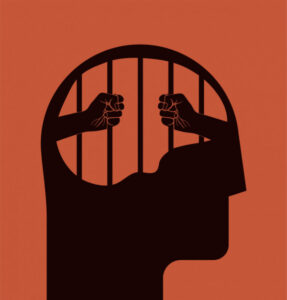
Introduction: The Two Voices Listen closely to an African immigrant speaking to their family on the phone. You hear a certain cadence, an accent, a warmth, perhaps a mix of English and a local dialect. Now, listen to that same person answer a work call 30 seconds later. The pitch changes. The accent flattens. The vocabulary shifts. The “American Mask” goes on.
This is Code-Switching. As we observe Black History Month, it is vital to talk about the psychological cost of this performance. For many New Americans, survival in the US means constantly suppressing their true cultural identity to make others feel “comfortable.”
The Pressure to “Soften” Blackness Black immigrants often feel a double pressure. They face the systemic racism of America, but they also face the pressure to prove they are the “good immigrant.”
- The Name Game: We see clients who change their beautiful, meaningful African names to “Mo” or “Sam” because their boss “can’t be bothered” to pronounce them correctly. This is a subtle erasure of identity.
- The “Professional” Hair: In 2026, despite the CROWN Act, there is still a silent bias against natural African hair or traditional styles in corporate spaces. Women spend hundreds of dollars and hours of pain to straighten their hair to look “professional” (i.e., Eurocentric).
The Mental Health Cost: “Imposter Syndrome” Living a double life is exhausting.
- Hyper-Vigilance: You are always watching yourself. Am I being too loud? Is my food smelling up the microwave? Did I use the wrong idiom? This constant self-monitoring spikes anxiety and cortisol levels.
- The Fear of Stereotypes: Many African immigrants work twice as hard to disprove negative stereotypes about laziness or incompetence. They burn out because they feel they are representing an entire continent.
ELOIM’s Advocacy: Bring Your Whole Self Our mental health support groups tackle this head-on.
- Validation: We tell our community: Your accent is not a flaw; it is a sign of your bilingual brilliance.
- Cultural Confidence: We encourage New Americans to share their culture at work. To wear the kitenge tie. To bring the chapati to the potluck. To correct people politely when they mispronounce a name.
Conclusion: Unmasking for History Black History Month is about honoring the full spectrum of Black identity—unapologetically. We want our community to know that they do not need to shrink to fit into America. America is big enough for them. The goal of integration isn’t to become someone else; it’s to add your unique thread to the tapestry. This February, we invite you to take off the mask. The world needs your real face.



























One Response
https://moldovalive.md/war-in-the-shadows-of-servers-how-a-russian-company-could-have-organized-an-attack-against-stark-industries-from-moldova/